


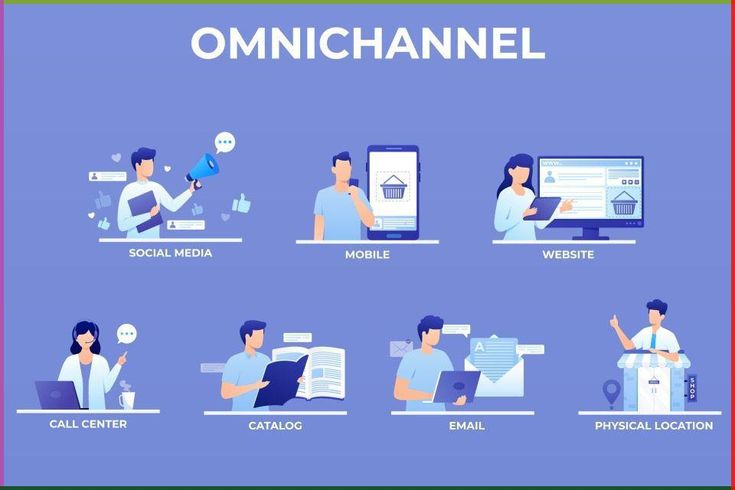
The omnichannel support in customer service omnichannel support in customer service combines SMS, social media, email, and instant messaging to provide a unified brand experience across multiple channels. It boosts your brand's credibility and image by offering convenient and effective customer service in various channels.
According to the U.S. government’s digital experience guidance, businesses operating online should provide consistent and accessible communication channels to improve user experience which aligns with modern omnichannel service solutions used in ecommerce and retail.
What makes it different from multi-channel retail solutions is that omnichannel offers interconnected communication channels and streamlined customer data collection. Your business maintains consistent messaging and level of functionality across all channels, which is a key goal of omnichannel customer support for retailers.
If you’re in the ecommerce business, implementing omnichannel retail solutions would be a great move for your business. The overall benefits of this have been proven many times over recent years, which is why many companies now rely on omni support service providers to implement these systems.
Why Should You Provide Omnichannel Support?
Companies that implement omnichannel retail solutions have been rising steadily, and for a good reason. Nowadays, it’s almost a requirement for businesses to provide digital customer support in every channel imaginable through advanced omnichannel service solutions.
To stay ahead of the game, you need to keep up with the ever-changing customer demands. And customers want accessible, quick, and personalized omnichannel support powered by omnichannel retail customer service strategies.
Here are some of the other reasons that might convince you to make customer service an omnichannel focus:
1. It helps reach more customers
Customers have different preferences in communication channels or social platforms. One segment of your target market could be found in social media, while others may prefer using emails.
Implementing omnichannel support in customer service may help you reach different groups of customers that may otherwise be untapped. Opening the communication channel in a previously unused platform can help you attract more customers and widen your target market with the help of omni support service providers.
It also helps to be accessible across all channels so customers can reach out to you in whatever way they prefer. The ability to serve your customers in their preferred channels will help set the tone for a positive customer service experience through effective omnichannel customer support for retailers.
2. It increases average customer spend
According to Harvard Business Review, customers spend 4% more each shopping spree on businesses with omnichannel retail solutions and support. The more channels you have, the more customers will purchase your products.
Omnichannel retail solutions provide customers with multiple purchasing and communication channels, making self-service options possible for those who prefer that. Sales and customer engagement professionals are freed up to serve as consultative partners and provide better service to more highly considered purchases supported by omnichannel service solutions.
3. It increases retention rates
Annual customer retention at companies offering omnichannel communication strategies is 91% higher than those without. Seamless omnichannel service directly contributes to delightful customer experiences, which helps retain customers through strong omnichannel retail customer service implementation.
Omnichannel consumers have a significant role in shaping the future of ecommerce and even brick-and-mortar stores. Attracting and retaining these consumers will directly impact your business's success in the long run when supported by reliable omni support service providers.
You can improve your retention rate by staying in touch and supporting your customers throughout their journey. As long as you understand your customers and the importance of providing them high-quality service, you won’t have a problem maintaining retention rates through omnichannel customer support for retailers.
4. It reduces customer churn rate
Customer churn rate is the percentage of customers who stop purchasing your products or services within a specific time frame. This can give you an insight into how your business nurtures customer relationships and experiences.
Customers leave due to bad customer service experience; omnichannel retail solutions significantly lessen the chances of bad customer experience, thus, helping you curb the customer churn rate using integrated omnichannel service solutions.
There are many touchpoints throughout the customer journey and each of them can be an opportunity for them to dip and discontinue purchasing from you. All these customer touchpoints should be optimized to provide them with the best possible experience giving them the incentive to keep doing business with you using omnichannel retail customer service practices.
5. It makes adopting new channels easier
Companies that already provide omnichannel experiences will have an advantage when designing and activating new channels. When customer experiences are already seamless, it is easier to adopt new channels without starting from scratch.
Establishing new channels will be much simpler when the existing omnichannel system serves as a framework. You’ll just have to adjust to fit new channels into your customer service solutions with the help of omni support service providers.
Omnichannel support best practices
Customer service through omnichannel needs to be efficient and convenient. To achieve the quality of service that customers expect, you need to understand their expectations and behavior when implementing omnichannel customer support for retailers.
You have to keep up with the changes in technology and trends to meet customer demands. Not only do you have to be aware of what motivates your customers, but you should also empower them to take control of their own experience with your business using reliable omnichannel service solutions.
Here are some things you can do to improve your customer service strategy:
Centralize your customer data
Omnichannel service is all about the interconnectivity of multiple communication channels. In order to serve your customers properly in all of them, you’ll need to create a centralized space for collecting customer data from different areas of your business, which supports omnichannel retail customer service systems.
These data could include:
- Viewed pages on your website.
- Conversations they had with your sales or support team.
- Comments and interactions on your social media or blog posts.
- Relevant demographic data.
There are tons of software that can help you enforce omnichannel functionality; you can leverage new tech that utilizes customer data to create customized experiences and services. Also, you can use existing technologies that enhance customer experiences, like automation, AI, and chatbots commonly used in omnichannel service solutions.
Keep it simple and seamless
The convenience of omnichannel support for your customers is one of the main reasons why it's beneficial for your business. Although opening as many customer service channels as possible is great, it should not happen at the expense of a smooth, convenient experience. You want to create a seamless experience, not create friction in your customer service processes while delivering omnichannel customer support for retailers.
Although most channels are digital, this does not mean neglecting non-digital channels. To create a cohesive customer service experience, the website, direct sales, and contact center should work together rather than as separate channels within an integrated omnichannel retail customer service system.
This way, you can cater to the entire customer journey in one streamlined system. Never mind that the customer might switch from one channel to another; treating all channels as one entity helps simplify the system for your customers and your team using efficient omnichannel service solutions.
Consistency is key
Effective omnichannel support delivers efficient and seamless customer service across all channels. This includes being able to do anything that you can do via one channel in all of the others, which is essential for omnichannel customer support for retailers.
It can cause a demerit on the customer service experience if your customers have to adapt to different policies and capabilities on different channels. It also causes an issue with your agents having to explain all these conflicts to an already annoyed customer.
So consistency in operational functions and key messaging across all channels and touchpoint is essential in a smooth customer service experience. Maintaining this will greatly improve the quality of your omnichannel retail customer service.
Conclusion
Omnichannel customer service is a key factor in the future of your ecommerce business. It helps your business diversify your customer base, increase customer spending, retain more customers, reduce customer churn, and make innovation and adoption of new platforms more accessible through effective omnichannel service solutions.
If you want to implement it but have no clue where to start, omnichannel retail solutions service providers can help you deliver an enhanced and streamlined customer experience. They will set up the back-end system, strategize, and handle the nitty-gritty details as experienced omni support service providers delivering omnichannel customer support for retailers.
FAQ
1. What is omnichannel retail customer service?
Omnichannel retail customer service refers to providing customer support across multiple channels such as email, chat, social media, and phone while maintaining a consistent and unified experience.
2. What are omnichannel service solutions?
Omnichannel service solutions are technologies and strategies that allow businesses to integrate multiple customer communication channels into one seamless system.
3. Why is omnichannel customer support important for retailers?
Omnichannel customer support for retailers improves customer experience, increases retention, and allows businesses to serve customers on their preferred communication platforms.
4. What do omni support service providers do?
Omni support service providers help companies design, implement, and manage omnichannel customer service systems that integrate communication channels and customer data.
5. How does omnichannel support reduce customer churn?
By providing consistent and convenient service across channels, omnichannel retail customer service improves satisfaction and reduces the chances that customers leave due to poor support experiences.