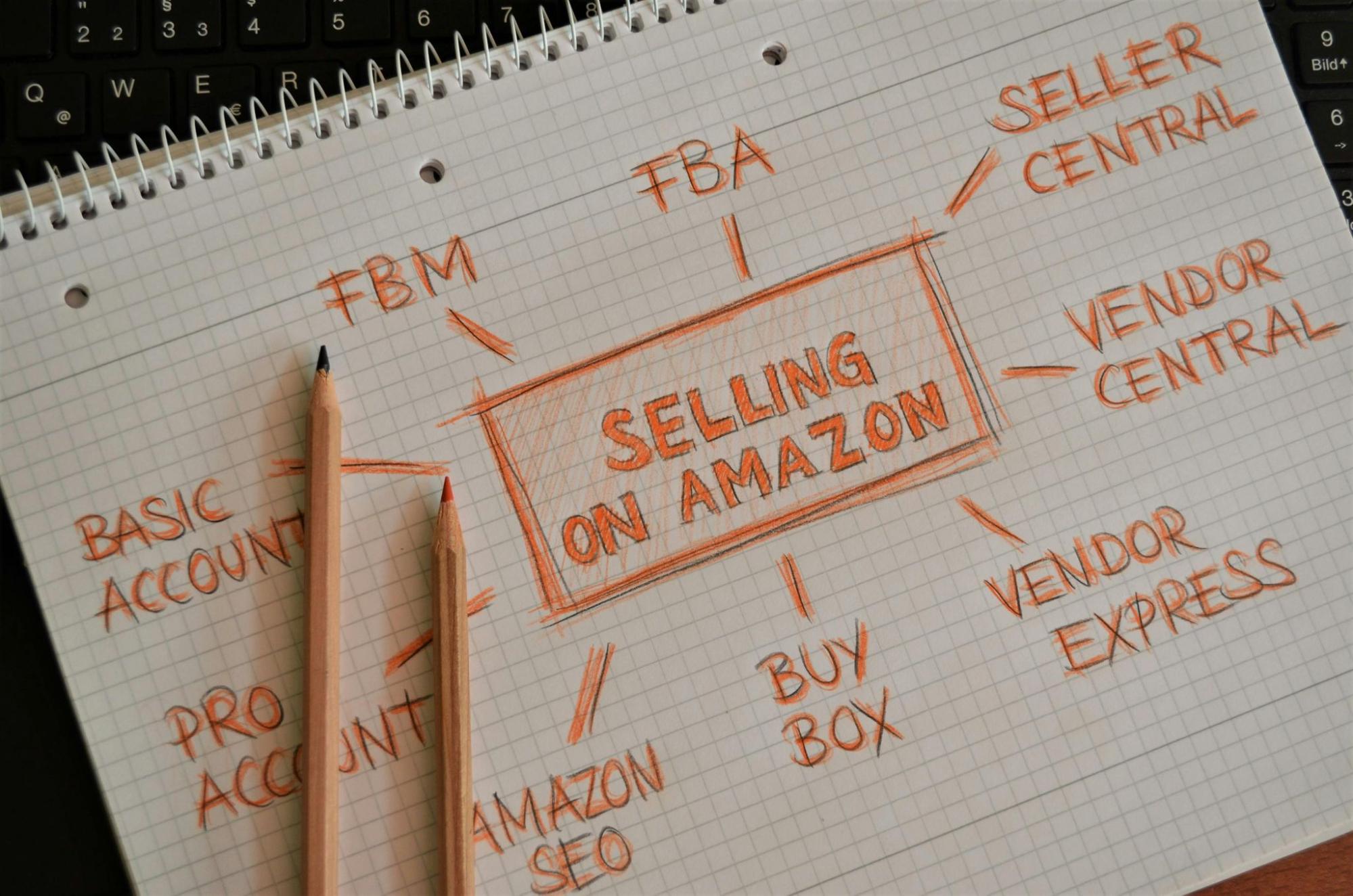


Over time, the eCommerce sector has experienced rapid expansion. If you run a business, you may have considered selling on Amazon. As you can see, selling on Amazon is labor-intensive. To successfully scale your firm, you must be well-equipped with the necessary knowledge. It's a wise decision to enlist the assistance of Amazon marketplace experts. For official guidance on starting and managing your online business, you can refer to the U.S. government’s resource on how to start an online business.
As it expands, professionals now provide a wide range of services for Amazon, including Amazon PPC, Amazon order processing, Amazon inventory management and Amazon order fulfillment. They provide assistance, advice, and training on account suspension appeals, product advertising, Amazon SEO suggestions, and many others. Although there are a growing number of Amazon marketplace experts and companies, not all of them have the same level of experience.
Some have experience working for Amazon, while others have worked there for a long time. Others who have sold well on Amazon want to impart their experience. Read on to discover more about Amazon marketplace experts services and the advantages of hiring Amazon marketplace consultants.
Table of Contents
What Are the Top Ten Benefits of Working with Amazon Marketplace Experts?
4The Best Ways to Choose an Amazon Consultant

What Are the Top Ten Benefits of Working with Amazon Marketplace Experts?
The top 10 reasons you require Amazon marketplace experts are listed below.
1. They Assist You in Determining Whether or Not Your Company Is Lucrative
Your Amazon marketplace experts will first assess and analyze the state of your company. Your sales channel, target market, and rivals will be examined. Additionally, they'll evaluate how you should position yourself, run your commercials, and work with your budget. The expert also determines whether Amazon is the appropriate distribution channel for your company.
The expert will then create effective methods for your merchandise. Additionally, you will learn how to optimize your listings for higher placement in Amazon search results.
2. They Assist You in Managing Your Funds and Creating Effective Procedures for Your Shop
When you alter your workflow, you'll be amazed at how much time you can save. Creating an effective workflow can minimize your workload and devote more time to providing your clients with high-quality services. For managing customer communications and producing reports, your consultant might recommend hiring a virtual assistant.
Amazon marketplace experts not only assist you in setting up a productive workflow but also keep track of your progress and offer financial assistance. Running an Amazon store involves a wide range of expenses. You may manage your money and keep track of them with the aid of a professional.
3. They Aid in Preventing Inexperienced Errors
The Amazon marketplace expert you engage will keep you from making pricey beginner errors. Beginners frequently spend a lot of money on PPC advertisements that don't work well. Alternatively, they must suffer fines for failing to pay FBA fees and tax responsibilities. With the aid of a consultant, you can steer clear of financial mistakes and move right down the path of earning.
4. They Provide Legal Services as Well as Assistance with Suspension Appeals
Every seller's worst dread is to have their Amazon account suspended. It has an impact on their reputation in addition to their sales. It's advantageous if Amazon marketplace experts have experience drafting appeals for suspensions.
Some are qualified attorneys who can handle intellectual property disputes and suspension appeals. They can assist you in managing the process by offering you a Plan of Action or reviewing your current one. Finally, they can create supplier agreements to safeguard your company against retailers who wish to replicate your goods.
5. They Assist You in Taking Your Store Global
Do you intend to pursue foreign markets? There are consultants with specialized knowledge in selling abroad. They can assist with listing translation, customer service, and customs duties. Finally, they can advise the best shipping companies and rules.
6. They Assist You in Enhancing Your Listing to Add More Brand Information
Optimizing your listing is crucial if you want to raise brand awareness and visibility. Consultants with a focus on optimization exist. They assist you in enhancing your listing to boost conversion rates. Additionally, consultants can make additional recommendations on how to represent your brand and keep you up to date on the most recent technologies.
7. They Assist You in Making Your Marketing Strategies Better
PPC is frequently challenging for many vendors. Sellers often operate their campaigns poorly because they lack a plan. A consultant can help you set up your campaigns and will work with you to develop a procedure for managing them over time.
You can have someone who can provide you with sound guidance on bidding tactics if you hire an Amazon marketplace specialist. Spending less on advertising will help you draw in the correct clients. Lastly, the information gathered from the advertising will let you know how your keywords are doing and enable you to use this information for retargeting.
8. They Assist You in Determining How to Enhance Your Product Offers
A key component of becoming an Amazon seller is decision-making. Winning your company's correct product and process choices is crucial since they can be the difference between making and losing a transaction. Whether or not to remove a product is one of the choices you must make.
Amazon marketplace experts can determine whether the issue is with the product or your marketing initiatives. They can advise you on whether or not to market a product. They may suggest that you improve some features or package the purchase with other goods.
Additionally, a consultant can provide you with a second view on whether a product is worthwhile to pursue. They can also make recommendations for other goods that complement your current offerings. You'll save a ton of time and money by doing this.
9. They Facilitate Communication with Your Clients
Customer relationships are essential to fostering brand loyalty. You must provide the best service if you want your clients to keep buying your goods. However, some circumstances, such as delivery delays, could be beyond your control, which can harm your rapport with your clients. This can lead to a bad review of your page.
Consider the unfavorable evaluation an opportunity to enhance your processes and products rather than being offended by it, and develop strategies to lessen its effects. It is advantageous to have a capable consultant who understands how to respond to critical input. They have a sound system to reduce negative reviews, so they are not merely there to solve the issue. They are also adept at using the influence of favorable reviews.
10. They Keep You up to date on News and Developments
The e-commerce sector is constantly expanding. Because of this, Amazon's policies also evolve to reflect the expanding market. You can prevent suspension by working with a consultant who monitors these changes.
The Best Ways to Choose an Amazon Consultant
Now that you know the necessity for Amazon marketplace experts and where to look for one, let's look at how to choose the ideal consultant.
1. Look For Weak Points in Your Company
Before beginning the consultant search, you should examine your company and identify any persistent issues. Once you have determined the problem area, you must choose the severity of your issues and write a thorough brief for your Amazon marketplace experts.
2. Choose a Consultant Who Can Talk to You Clearly and Solve Your Concerns
If you notice a problem in your account that requires immediate attention, your Amazon marketplace consultant should be personable and straightforward to get in touch with. Additionally, they must be able to convey suggestions and be approachable when you have questions effectively.
You must arrange a time and date when you can speak with the expert if you happen to run into someone from abroad. Getting in touch with your consultant at an odd hour can be impolite. However, a local expert is your best choice if you like to learn in person.
3. To Ascertain Their Level of Knowledge, Pose These Questions to Your Consultant
You can quiz them on Amazon and what they would do in a particular circumstance to see how much they know about Amazon. Hiring Amazon marketplace experts with phony credentials and reviews could endanger your company, so you should avoid doing so. Therefore, inviting them to an interview where you ask them Amazon-related questions is a valuable way to evaluate their abilities.
Start by providing them with a thorough overview of your company's services, how it operates, and—most importantly—what the problem is and what you need them to perform. Ask them what they would do for you and how they would get the outcomes you want based on the information you supplied. Legal services issues are an exception, though, as you can always choose to hire a competent attorney.
Final Thoughts
When selling on Amazon, there are various things to consider. It can be stressful, especially if your firm gets off the ground. However, if you work with Amazon marketplace experts and Amazon marketplace selling experts, you can get professional guidance on the issues you need assistance with.
You must first comprehend your company and determine where to enhance it if you want to achieve the most outstanding results. Find Amazon marketplace experts and Amazon marketplace consultants as soon as possible. At Vserve Amazon Listing Services, we have a group of specialists who can offer you store-related guidance.
FAQ
1. What is an Amazon marketplace expert?
An Amazon marketplace expert is a professional who helps businesses navigate selling on Amazon, including listing optimization, marketing strategies, and account management.
2. How can an Amazon marketplace consultant help my business?
An Amazon marketplace consultant provides guidance, prevents beginner mistakes, assists with legal issues, and helps scale your Amazon store effectively.
3. Why should I hire an Amazon marketplace specialist?
Hiring an Amazon marketplace specialist ensures your store operates efficiently, stays compliant, and leverages expert strategies to boost sales.
4. How do I find qualified Amazon marketplace experts?
Look for experienced professionals, check references, interview them on Amazon practices, and ensure they have a proven track record with successful clients.